How Can We Help?
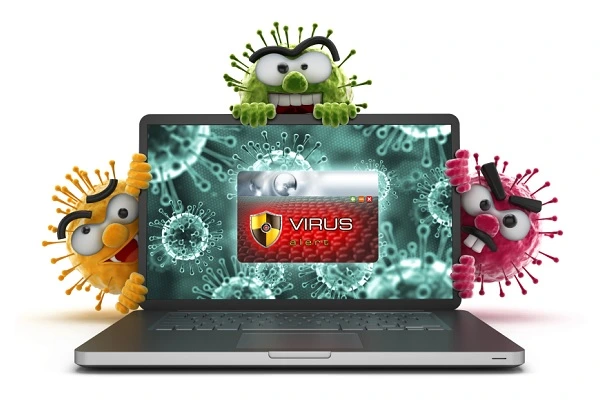
Virus & Malware Cleanups
Virus and malware cleanups involve detecting, removing, and preventing malicious software that can
compromise your computer's security. We'll use advanced tools to eliminate threats, restore system
performance, and safeguard your data. Protect your device from cyber threats with our professional
malware removal service!"
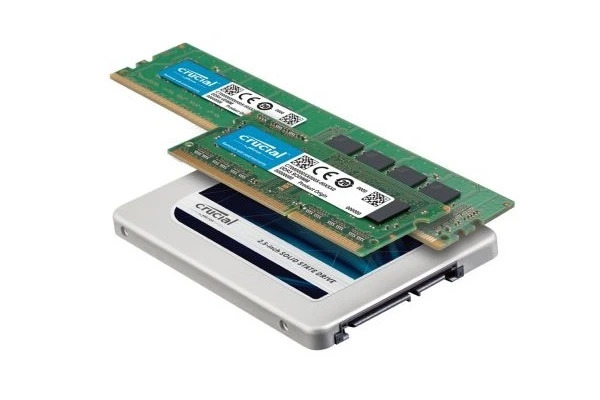
System Upgrades
Upgrade your computer system for faster performance, and improved efficiency. Whether you need more
RAM, a faster SSD, a new graphics card, or a full system overhaul, we can provide a tailored upgrade
solution to extend your PC's lifespan and enhance its capabilities. Get a performance boost today!
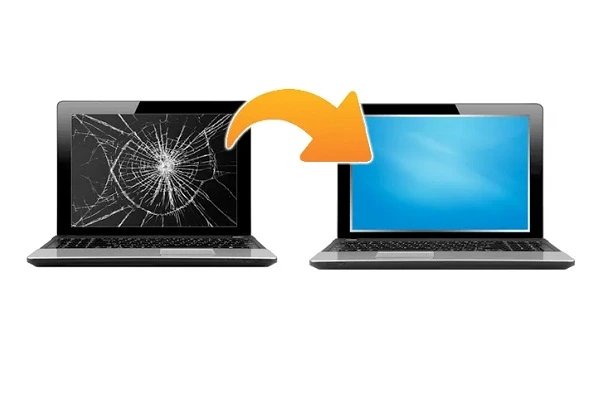
Broken Laptop/Screen Repair
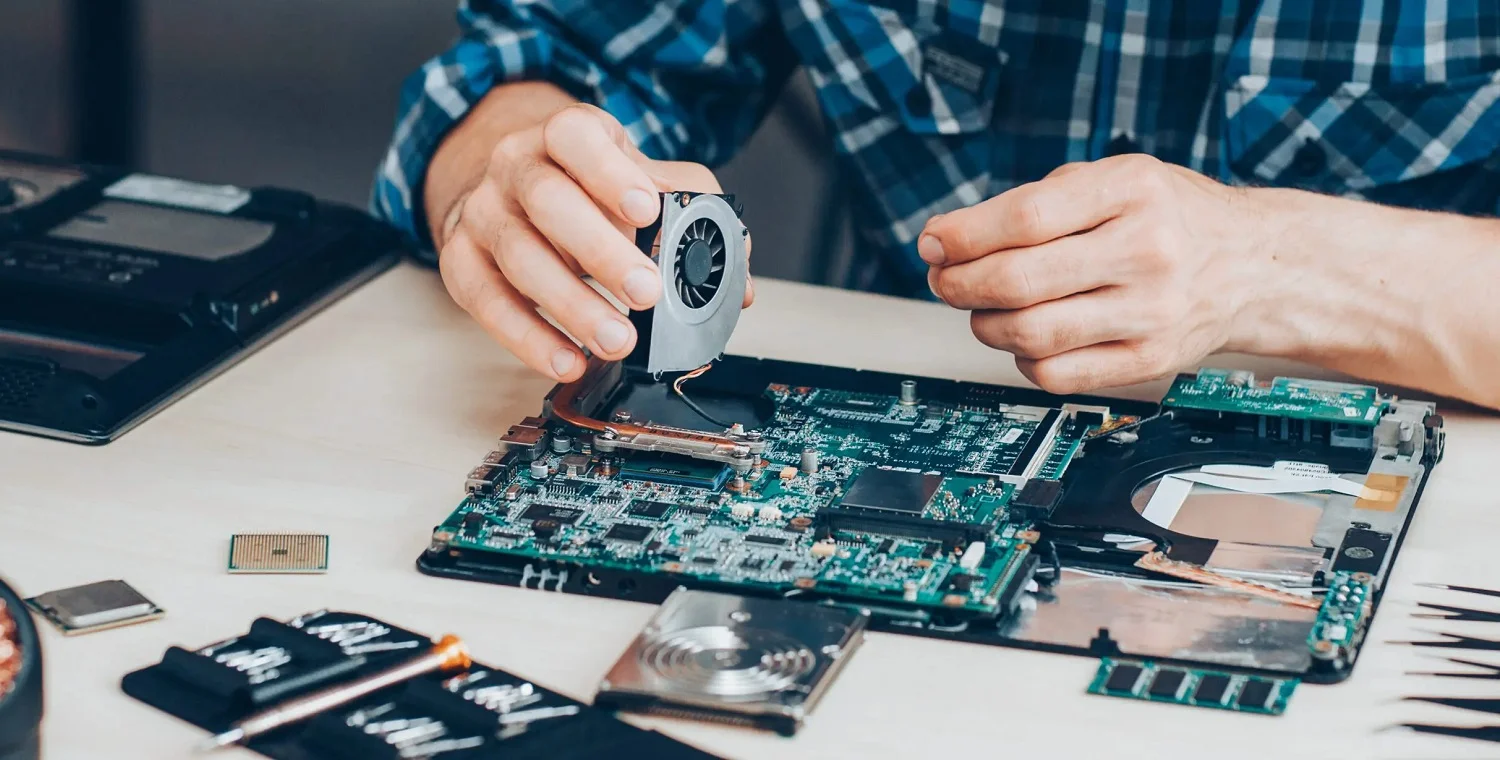
Get your broken laptop fixed quickly with professional repair services. We specialize in laptop
screen replacements, keyboard and hinge repairs, harddrive replacements, and more. Whether your
screen is cracked, your system is unresponsive, we can provide a solution to restore your device.
Contact us today to start your repair!
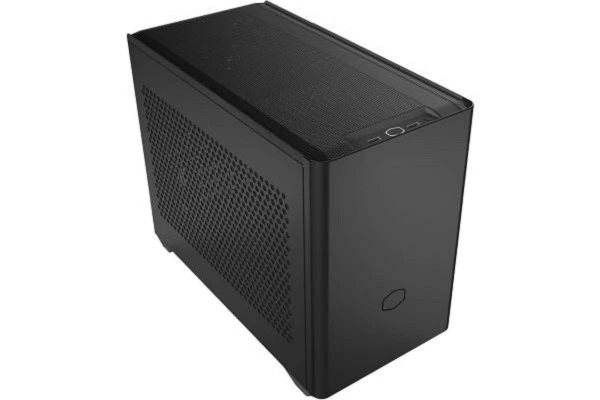
Custom Desktops
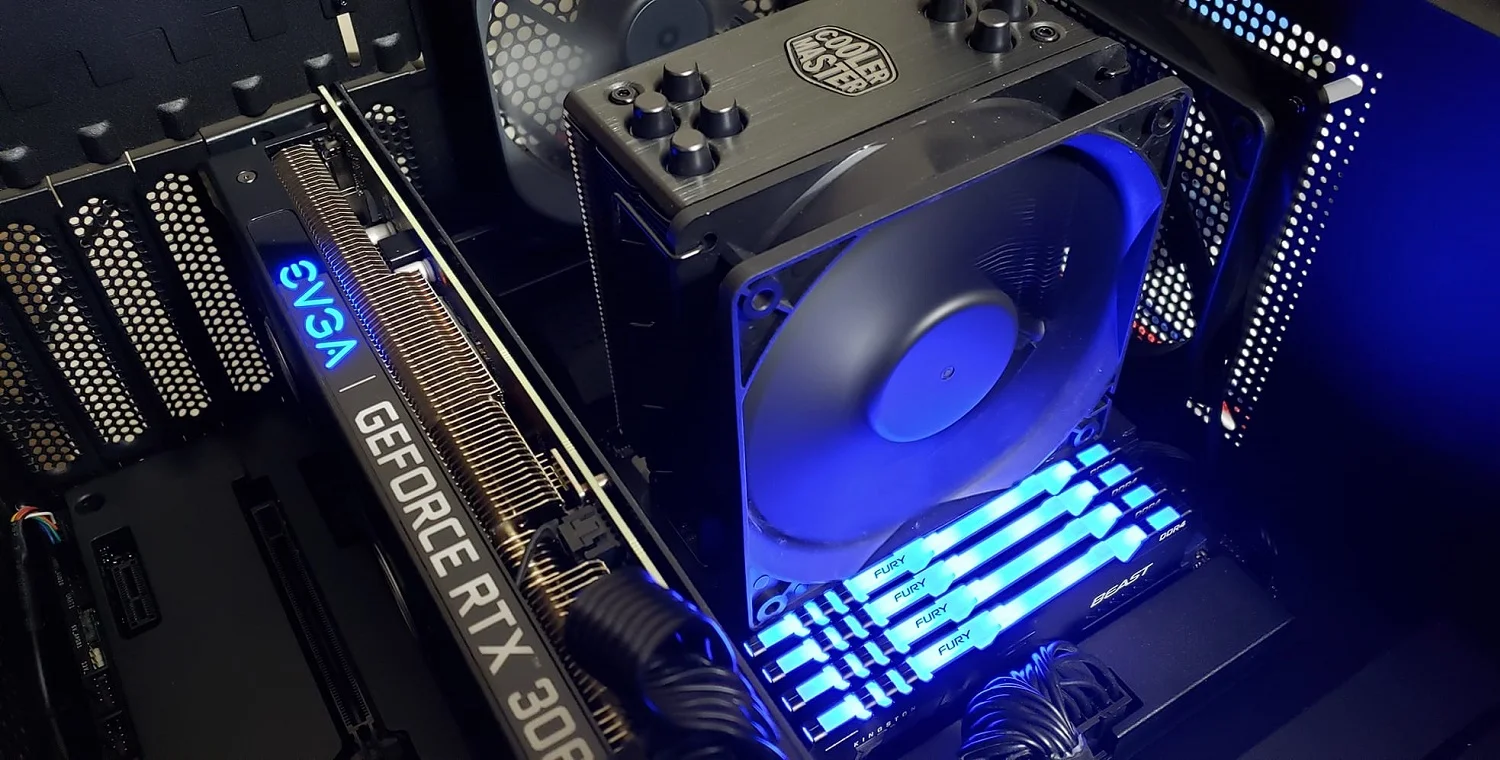
We can build a high-quality custom desktop that can be used for business use and/or PC gaming
computers. Choose from our popular small form factor or a full-size design. We offer many options,
including a discreet graphics card, RGB lighting and AIO cooling. We'll do our best to make it the
way you want it!
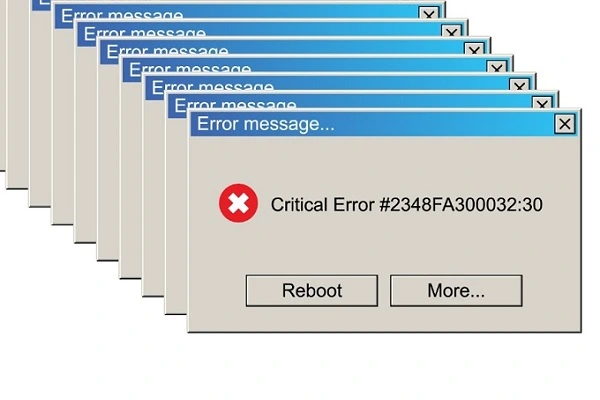
Problem Solving
A crashed computer or program is certainly a nuisance for anyone. A blue screen may even prevent
your computer from booting. We can figure out those goofy error messages. Simply provide us the
EXACT text or screenshot and tell us what you were trying to do when it occurred. We enjoy a good
challenge!
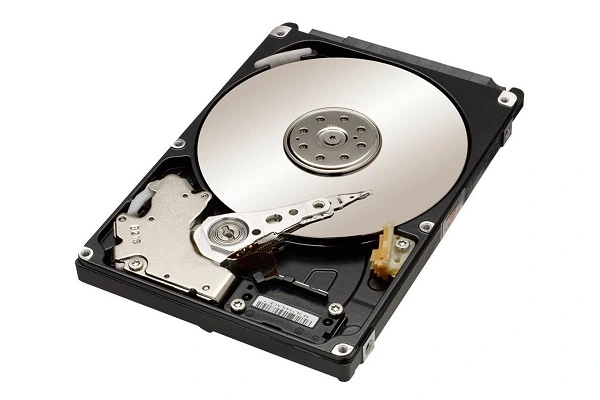
Data Recovery
We've had great success recovering data from failing or failed mechanical drives. Data is placed on
alternate media or another computer for the customer.
** Restrictions apply
**
Outside lab service (forensic recovery) is available for jobs we can't handle
in-house.
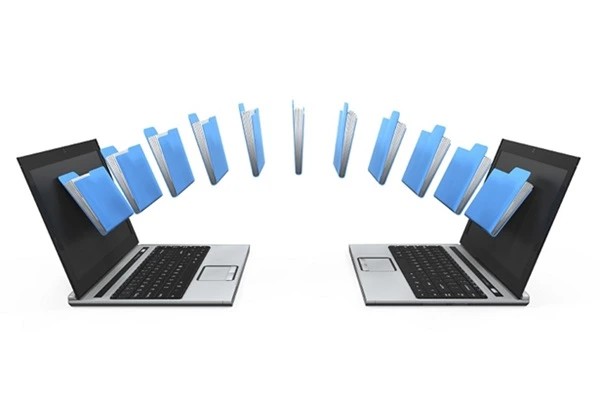
Data Transfers
We can safely move or copy all your files from one computer to another—even if your
old computer no longer works. Documents, photos, music, email, and more.
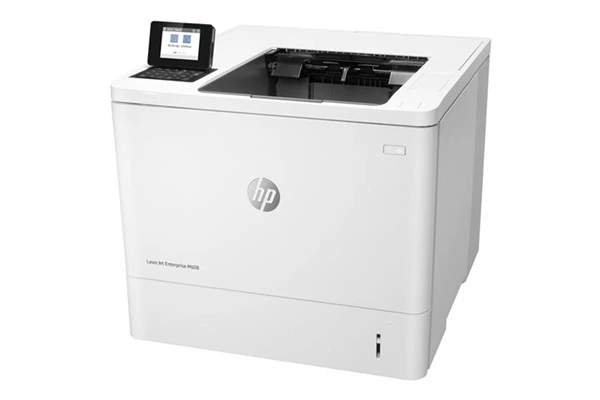
HP Business Printer Service
We provide expert service for HP business and enterprise printers. This includes full maintenance
kits, fusers, rollers, trays, covers, and network configuration.
Used Computers & Parts
We buy and sell gently used computers and component parts. Every system is refurbished in-house,
upgraded if necessary, and fully tested for reliability.
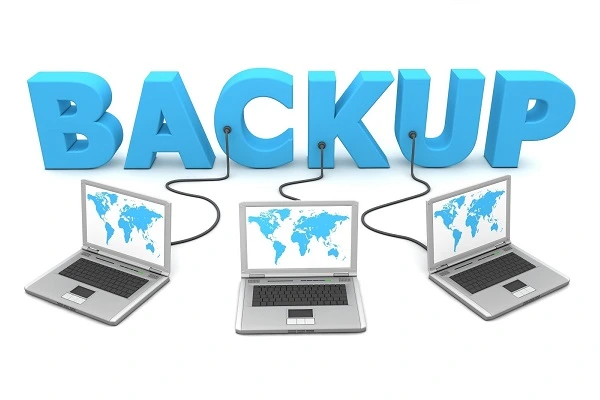
Backup Solutions
Your data is very important. What would the consequences be if ransomware encrypted all of your
files? Let's make sure it's safely backed up both on-site and in the cloud.
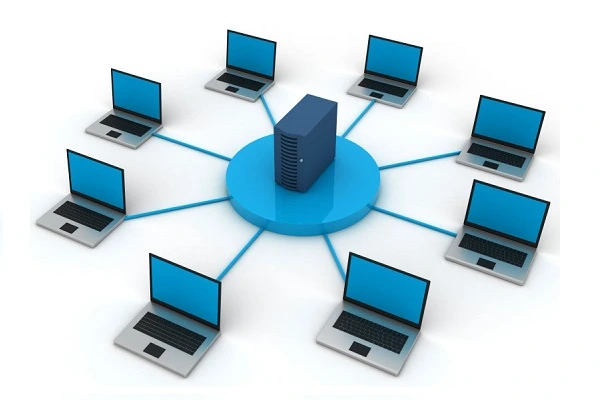
Small Business Networks
We provide IT consulting services to support your company's computers, servers, and network devices.
On-Site and remote support are available. Functional, safe, and secure.

Synology NAS Solutions
A NAS is a great small office or home office storage solution. Share files family and co-workers
without the need for a full server. NAS solutions can scales to meet your storage needs.

Website Design
We create good looking, small, low-cost informational website for your business or
organization. SEO‑friendly, fast display with a clean look.

Power Jack Repair
Do y ou have a laptop charging issue? We can fix *most* broken laptop power jacks - subject to parts
availability. (Even if it involves soldering!)
Please contact us for more information.

We do Linux!
If your sick of Windows, or have an older PC that won't run Windows 11 then your in luck! Give Linux
a try! We can install your choice of Mint, Zorin, Ubuntu, or Bazzite OS. Limitations Apply.